
Your product descriptions do two jobs at once. They help Google understand what you sell, and they help shoppers decide to buy. Many stores do neither well, because they copy the manufacturer’s text or write a single line.
This guide covers product description SEO best practices: how to choose keywords, how to structure a description, how long it should be, and a simple template you can use for every product.

Why product descriptions matter for SEO
- Unique text helps Google tell your page apart from other stores selling the same product.
- Detailed descriptions match more searches, including specific ones like size, material or use.
- Good descriptions reduce returns and questions, because shoppers know what they are getting.
- They help with conversion, which is what makes your rankings worth having.
How to choose keywords for a product
- Start with what customers call it. Your internal product name may not be what people search. “Linen midi dress” is searched far more than a style code.
- Add the important attributes: colour, material, size, brand or model, and use.
- Check real searches with Google autocomplete, the “People also ask” box, Google Search Console and a keyword tool.
- Give each product its own main keyword. Broader terms, such as “linen dresses”, belong on the collection page.
Use the main keyword naturally in the product title, the first sentence of the description, the title tag and an image alt text. Do not repeat it again and again; write for people first.
How to structure a product description
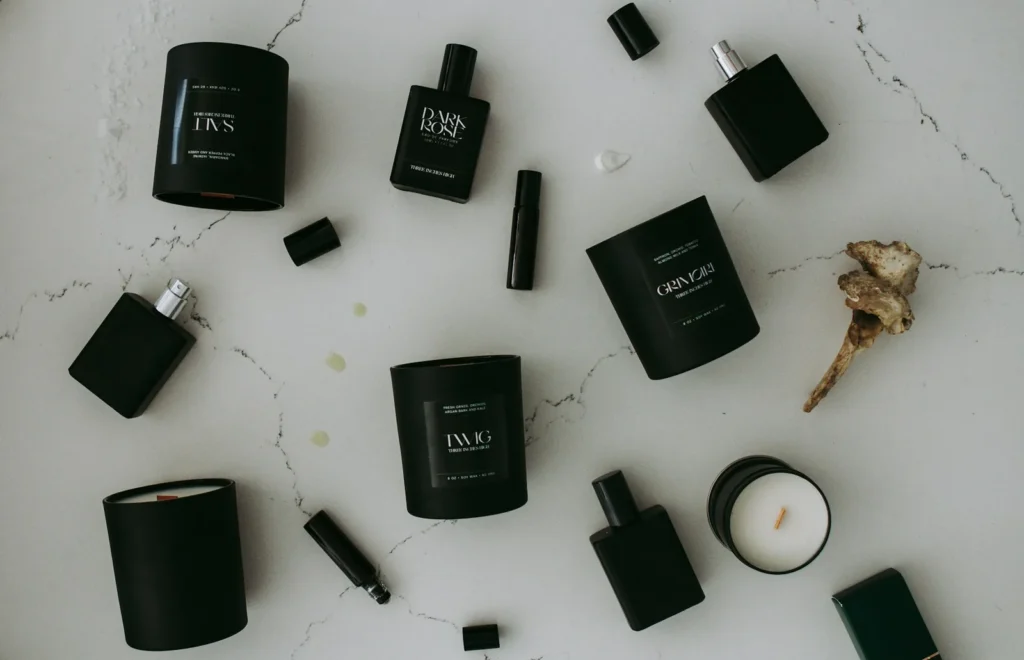
- Opening line: what it is and who it is for, with the main keyword.
- Key benefits: two or three short points on why it is worth buying.
- Specifications: size, dimensions, materials, compatibility, in a list or table.
- Use and care: how to use it, how to look after it, what is included.
- Trust details: shipping, returns and warranty, or a link to them.
- FAQs (optional): answers to questions customers often ask.
How long should a product description be?
There is no ideal word count that Google rewards. The right length is long enough to answer what a shopper needs to know before buying, and no longer.
| Product type | What usually works |
|---|---|
| Simple, low-cost items | A short paragraph plus key specifications |
| Products with options or sizes | Benefits, a size or fit guide and specifications |
| Technical or expensive products | Detailed sections, comparison tables and FAQs |
A good test: if customers keep asking the same question by email or phone, the answer belongs in the description.
A simple product description template
[Product name with main keyword]
[One or two sentences: what it is, who it is for and the main benefit.]
- [Benefit 1]
- [Benefit 2]
- [Benefit 3]
Details: [Material, size, dimensions, colour, compatibility.]
Care and use: [How to use and look after it.]
Delivery and returns: [Short summary or link.]
Common product description mistakes

- Copying the manufacturer’s description, which appears on many other stores.
- Reusing the same text across similar products with only the colour changed.
- Keyword stuffing that makes the text hard to read.
- Hiding key information in images where Google and screen readers cannot read it.
- Leaving out sizes, materials or what is in the box.
- No reviews, which add trust and fresh unique content.
For more store-wide problems, read ecommerce SEO mistakes that cost you sales.
What about similar products and variants?
If a product comes in several colours or sizes, it is usually best to keep them as variants on one page rather than separate pages with near-identical text. If you do need separate pages, write genuinely different descriptions that explain what makes each one different.
Platform tips
On Shopify, edit the “Search engine listing” for each product to set a custom title tag and meta description; see our Shopify SEO checklist. On WooCommerce, use the main description for the full content and the short description for a quick summary near the price, with an SEO plugin such as Yoast for titles and descriptions.
Want product pages that rank and sell?
TechPater’s ecommerce SEO service covers keyword research, product and collection optimisation, technical fixes and reporting for online stores.
Frequently asked questions
How do I write a product description for SEO?
Use the term customers search for in the product title and first sentence, explain benefits and specifications clearly, answer common questions and write unique text for every product.
How long should a product description be for SEO?
There is no ideal word count. Write enough to answer what a shopper needs before buying: short for simple products, more detailed for technical or expensive ones.
Can I use the manufacturer’s product description?
You can, but it is the same text many other stores use, so it does little to help you stand out. Rewriting it in your own words with extra detail is better.
Should I add keywords to product descriptions?
Yes, naturally. Use the main keyword in the title, first sentence and image alt text, and related terms where they fit. Avoid repeating keywords unnaturally.
Do product reviews help SEO?
Reviews add unique, fresh content and help shoppers decide. They can also show star ratings in search results when structured data is set up correctly.