
When someone in Sydney needs a dentist, most of them start on Google. They search “dentist near me”, “emergency dentist Parramatta” or “teeth whitening Bondi”, then pick from the three clinics in the Map Pack or the first few websites.
Local SEO is how your practice gets into those results. This guide covers what matters most for dental clinics, from your Google Business Profile to treatment pages, and how to handle reviews within Australia’s health advertising rules.

- Why local SEO matters for dental practices
- 1. Optimise your Google Business Profile
- 2. Build a page for each treatment
- 3. Location pages for each clinic
- 4. Reviews within AHPRA’s rules
- 5. Make booking easy on mobile
- 6. Content that answers patients’ questions
- 7. Citations and local links
- 8. Track what brings in patients
- FAQ
Why local SEO matters for dental practices
Dental searches are local and often urgent. A patient with a toothache wants a clinic nearby that is open and can see them soon. Strong local SEO puts your practice in front of them at exactly that moment, without paying for every click.
1. Optimise your Google Business Profile
- Use your real practice name, without extra keywords.
- Choose the most specific primary category (for example “Dentist” or a specialist category such as “Orthodontist” where it applies) and add relevant secondary categories.
- List your treatments as services: check-ups, cleans, fillings, whitening, implants, Invisalign, emergency dental care and so on.
- Keep opening hours accurate, including late nights, Saturdays and public holidays.
- Add an appointment or booking link.
- Upload real photos of your clinic, reception, treatment rooms and team (with their permission).
- Mention payment options, accessibility and parking.
Our full Google Business Profile optimisation guide explains each step in detail.
2. Build a page for each treatment
One “Services” page listing everything is hard to rank. A dedicated page for each main treatment gives Google a clear match for each search. Each page should explain:
- What the treatment is and who it suits.
- What happens at the appointment.
- Recovery and aftercare.
- Fees or how fees are worked out, and health fund information if you offer it.
- Frequently asked questions.
- A clear way to book.
Use titles such as “Dental Implants in Chatswood” and link each treatment page to your booking page and location page.
3. Location pages for each clinic
If you have more than one clinic, give each one its own page with its address, map, hours, team, parking and public transport details. Each clinic should also have its own Google Business Profile.
If patients come from nearby suburbs, mention them naturally, for example “patients from Ryde, Gladesville and Hunters Hill”. Avoid creating near-identical pages for dozens of suburbs.
4. Reviews within AHPRA’s rules
Reviews help your Map Pack ranking and patients’ trust, but dentists are regulated health practitioners. Under the National Law and AHPRA’s advertising guidelines, you must not use testimonials about clinical aspects of care in your advertising, and that includes your own website and social media.
In practice:
- You can ask patients to leave a review on Google; you cannot offer incentives for it.
- Do not copy reviews that mention clinical outcomes (for example “my implant looks perfect”) onto your website or ads.
- Reviews about non-clinical things, such as friendly staff or easy parking, are generally treated differently, but check the current AHPRA guidance or get advice if you are unsure.
- Reply to reviews politely and never share any patient information in a reply.
For general review tips, see how to get more Google reviews.
5. Make booking easy on mobile
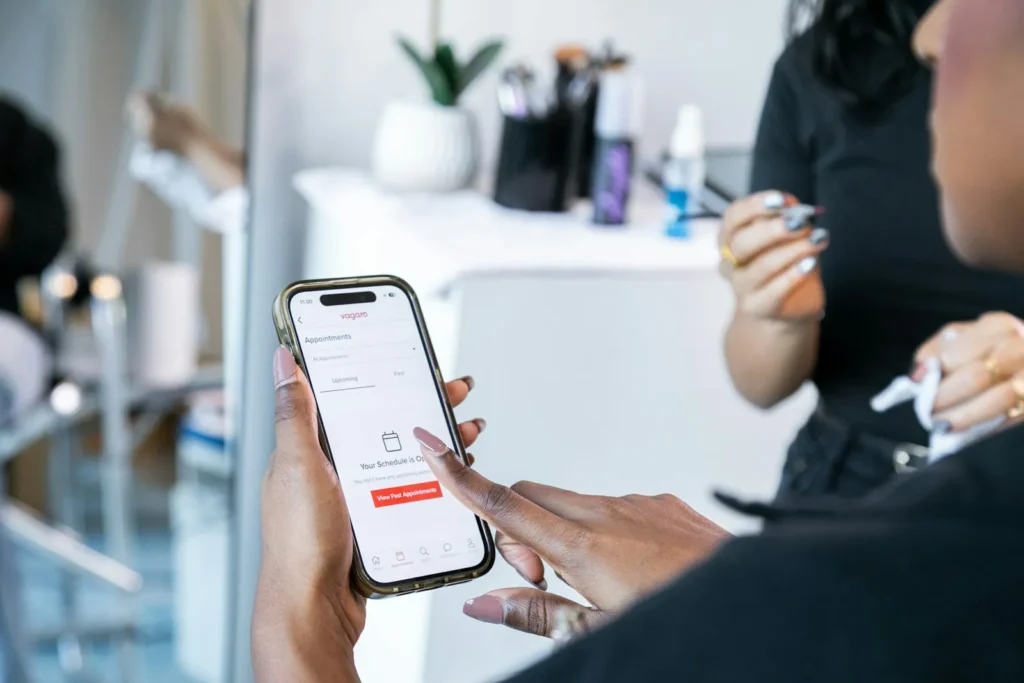
- A tap-to-call phone number at the top of every page.
- Online booking that works well on phones.
- Fast loading: compress images and keep the design simple.
- LocalBusiness (Dentist) schema with your address, hours and phone.
- Your name, address and phone number consistent everywhere.
6. Content that answers patients’ questions
Helpful articles can rank for the questions patients search before booking, such as “how long do dental implants last” or “what to do about a chipped tooth on the weekend”. Keep the information general and accurate, avoid creating unreasonable expectations of results, and link each article to the relevant treatment page.
7. Citations and local links
- List your practice in health and dental directories, keeping details consistent.
- Get listed by local business groups and community organisations you support.
- Earn links from local sponsorships, school programs or community health events.
8. Track what brings in patients
Measure calls, online bookings and direction requests from Google, not just rankings. Our local SEO checklist includes a simple tracking setup.
Want more patients finding your practice on Google?
TechPater helps Sydney dental clinics with Google Business Profile optimisation, treatment pages and local SEO, with reporting on calls and bookings.
Frequently asked questions
How do dentists get more patients from Google?
Optimise your Google Business Profile, create a page for each treatment and clinic, earn genuine reviews, make booking easy on mobile, and publish helpful content that answers patients’ questions.
Can dentists use patient reviews on their website?
Dentists must not use testimonials about clinical aspects of care in advertising, which includes their website and social media, under AHPRA’s advertising rules. Check the current guidance before using any reviews.
How long does SEO take for a dental practice?
Usually a few months for noticeable improvement, depending on competition in your suburb and your starting point. Google Business Profile improvements can help sooner.
Should each dental clinic have its own Google Business Profile?
Yes. Each physical location should have its own verified profile and its own location page on your website.
What keywords should a dentist target?
Treatment and location combinations, such as “dental implants Parramatta” or “emergency dentist Bondi”, plus questions patients ask before booking.