
Local SEO is how your business shows up when people nearby search for what you do, such as “electrician near me” or “physio in Chatswood”. Done well, it brings in calls, bookings and walk-ins without paying for every click.
This local SEO checklist covers everything a small business should have in place, in the order we recommend tackling it. You can also use it as a quick local SEO audit: go through each item and tick off what is already done.

1. Foundations
- Decide on your main services and the suburbs or areas you want to be found in.
- Write down your business name, address and phone number (NAP) exactly as you want it shown everywhere.
- Set up Google Search Console and Google Analytics on your website.
- Make sure your website works well on mobile phones.
- Make sure your site uses HTTPS (a padlock in the browser).
2. Google Business Profile
- Claim and verify your Google Business Profile.
- Use your real business name, with no extra keywords.
- Choose the most specific primary category, plus relevant secondary categories.
- Add your services, with short descriptions.
- Set accurate opening hours, including public holidays.
- Set your service area if you visit customers.
- Upload real photos of your team, work, premises and vehicles.
- Write a clear business description.
- Post updates, offers or recent jobs regularly.
- Answer common questions in the Q&A section.
Our full Google Business Profile optimisation guide explains each step.
3. NAP consistency and citations

- Show your NAP on your website, ideally in the footer and on the contact page.
- Make sure it matches your Google Business Profile exactly.
- List your business on major Australian directories and relevant industry directories.
- Fix old listings with an outdated address or phone number.
- Remove or merge duplicate listings.
Consistent details help Google trust that your business information is accurate.
4. Your website and local pages
- Each main service has its own page.
- Page titles include the service and location, for example “Emergency Plumber in Parramatta”.
- Each page has one clear H1 heading.
- Your home page says clearly what you do and where.
- Create a page for each key suburb or region you serve, with genuinely useful local content, not copied text with the suburb name swapped.
- Embed a Google Map on your contact page.
- Add LocalBusiness schema markup.
- Make phone numbers clickable on mobile.
- Pages load quickly on mobile.
- Link your service pages and suburb pages to each other.
5. Reviews
- Have a simple process to ask every happy customer for a Google review.
- Share your direct review link by text, email or QR code.
- Reply to every review, positive and negative.
- Never buy reviews or offer incentives for them.
See how to get more Google reviews for templates you can copy.
6. Local content and links
- Publish content that answers local customers’ questions.
- Show local projects, case studies or before-and-after photos.
- Get links from local sources: suppliers, partners, sponsorships, local news and community groups.
- Join your local business chamber or industry association.
7. Local SEO audit: technical checks
- Your important pages are indexed (check Search Console, or search
site:yourdomain.com.au). - Your sitemap is submitted in Search Console.
- There are no broken links or pages showing errors.
- Old URLs redirect to the correct new pages.
- Thin or duplicate pages are improved, merged or set to noindex.
When we audited our own site, we found junk pages in the sitemap and important pages missing from Google’s index. Cleaning them up and requesting indexing in Search Console was one of the first fixes we made.
8. Tracking
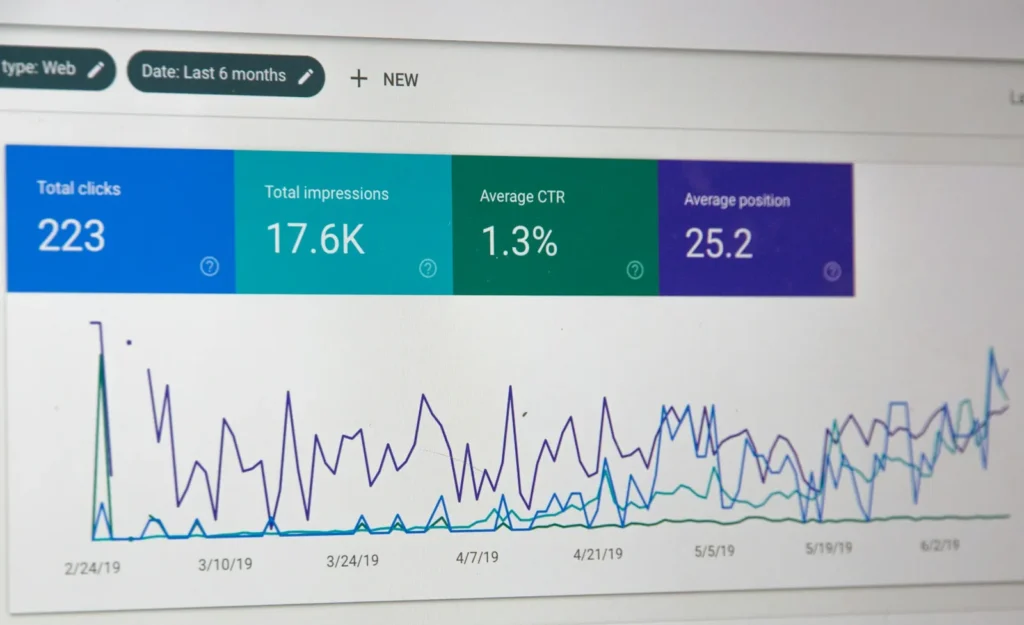
- Check your Google Business Profile performance: calls, direction requests and website clicks.
- Track contact form submissions and phone calls from your website.
- Track rankings for your main service and suburb keywords.
- Review the results monthly and adjust.
What to fix first
If you are short on time, start here:
- Complete and verify your Google Business Profile.
- Make your NAP consistent on your website and main directories.
- Build one strong page for each main service.
- Start asking every happy customer for a review.
These four steps cover the biggest local ranking factors. Once they are in place, move on to local pages, content and links. If you want to understand how long all this takes, see our local SEO timeline, and for budgeting, read how much local SEO costs.
Want a professional local SEO audit?
We will check your Google Business Profile, website, citations and reviews, and give you a clear list of what to fix first. It is free and there is no obligation.
Frequently asked questions
What is a local SEO checklist?
A list of everything your business needs in place to rank in local search, including your Google Business Profile, consistent business details, local website pages, reviews, citations, links and tracking.
How do I do a local SEO audit?
Go through each part of this checklist and note what is missing or out of date: your Google Business Profile, NAP details across directories, service and location pages, reviews, technical issues and tracking.
What is the most important local SEO factor?
There is no single factor, but a complete, verified Google Business Profile in the right category, plus genuine reviews and a relevant website, makes the biggest difference for most small businesses.
How often should I check my local SEO?
Review your Google Business Profile and reviews weekly, and run through the full checklist every few months or whenever your business details change.
Can I do local SEO myself?
Yes, many of these steps are free and simple. An agency can help with the more time-consuming parts, like local pages, citations, links and tracking.